 Subscribe

If you’ve ever found yourself decoding a lab report with a Reddit thread because you couldn’t wait until Monday, or felt the frustration of a six-week lead time for a ten-minute check-in, you aren’t alone. The inefficiency of healthcare isn’t new — but the exclusivity is ending.
Tools that were once locked behind hospital doors are migrating to our nightstands, transforming our homes into spaces for high-tech recovery, bloodwork diagnostics, and even preventative care.
The traditional barrier wasn’t the science; it was the model. A doctor had to initiate every investigation — the test (if they determined you needed it), the timeline, and what treatment options were available to you.
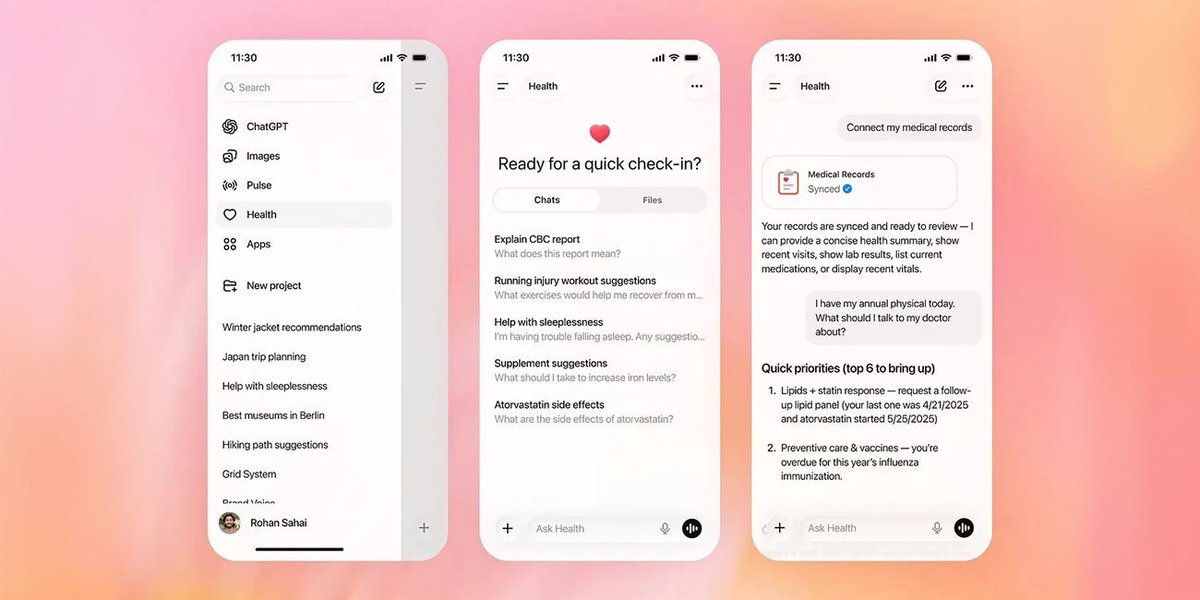
That friction is part of the reason 40 million users now turn to AI tools like ChatGPT for health questions, seeking answers before they ever call a clinic. OpenAI’s launch of ChatGPT Health reflects that shift — the rest of the market is simply catching up.
Today, the dynamic has flipped. Consumers can start the inquiry themselves, pulling data first and looping clinicians in to help make sense of it rather than asking permission up front.
Hardware has followed suit. While wellness or clinical care once required large, technical machinery, technology has reduced the complexity. Now, you can track biometrics on your wrist, improve skin elasticity without a clinical laser, and analyze your microbiome from your own bathroom.
You don’t need to overhaul your life to get better data. You just need to know where to look. While some wellness options remain a high-ticket investment, the barrier to entry for clinical-grade insight is gone.
Day-to-day health no longer depends on appointments, permission, or proximity to a clinic. Whether you’re data-driven or just trying to get a better handle on one part of your health, the infrastructure is already in place.





 Published on Jan 8, 2026 by