Subscribe

 Published on Dec 30, 2025 by Joana Ariza
 From the days of green juice protocols to the current obsession with peptide protocols, the wellness industry (now a multi-trillion-dollar global powerhouse) is relentlessly evolving. But if 2025 revealed anything, it’s that wellness is no longer moving in a single direction. Even as interest in data-driven health and optimization grows, many people are gravitating toward simpler routines that feel easier to stick with.
Heading into 2026, optimization and whole‑health are starting to live in the same conversation. People still care about data and performance, but they’re just as interested in how gut health, nervous system balance, and recovery fit into the bigger picture.
1. Oral care enters the whole-body conversation
Dental health has long sat apart from the rest of healthcare, but that gap may be closing. A growing body of research continues to link gum health and oral inflammation to broader systemic issues, including cardiovascular disease and cognitive decline, reframing the mouth as an entry point to the body rather than an isolated system. Oral care is moving from background habit to intentional long‑term health strategy, tied to immune function and disease prevention instead of just hygiene
2. The “vacation” gets redefined
The standard vacation script — overindulge, crash, come home tired — is losing its appeal. More travelers are booking trips built around rest, nervous system regulation, or slower pacing instead of constant stimulation. From quietcations to sleep‑forward retreats, the goal is to return home feeling noticeably better than when you left.
3. Longevity gets personal
Longevity used to feel reserved for the ultra‑wealthy. Subscription models and at‑home testing are changing that by making ongoing labs and monitoring easier to access. Instead of one‑off interventions, people are opting into regular blood work and biomarker tracking, so they can watch their own trends over time and connect everyday habits to measurable changes in health long before symptoms show up.
4. The Ozempic effect accelerates
GLP‑1 medications have reshaped how the public talks about metabolism, shifting the weight‑loss conversation from calories alone to hormones and metabolic health. Even for people who never touch a prescription, that shift has fueled broader curiosity about peptides for energy, performance, and longevity. The next wave is focused on products and protocols that support these internal pathways more naturally, with an emphasis on stable energy and cellular function.
5. Biometrics get intimate
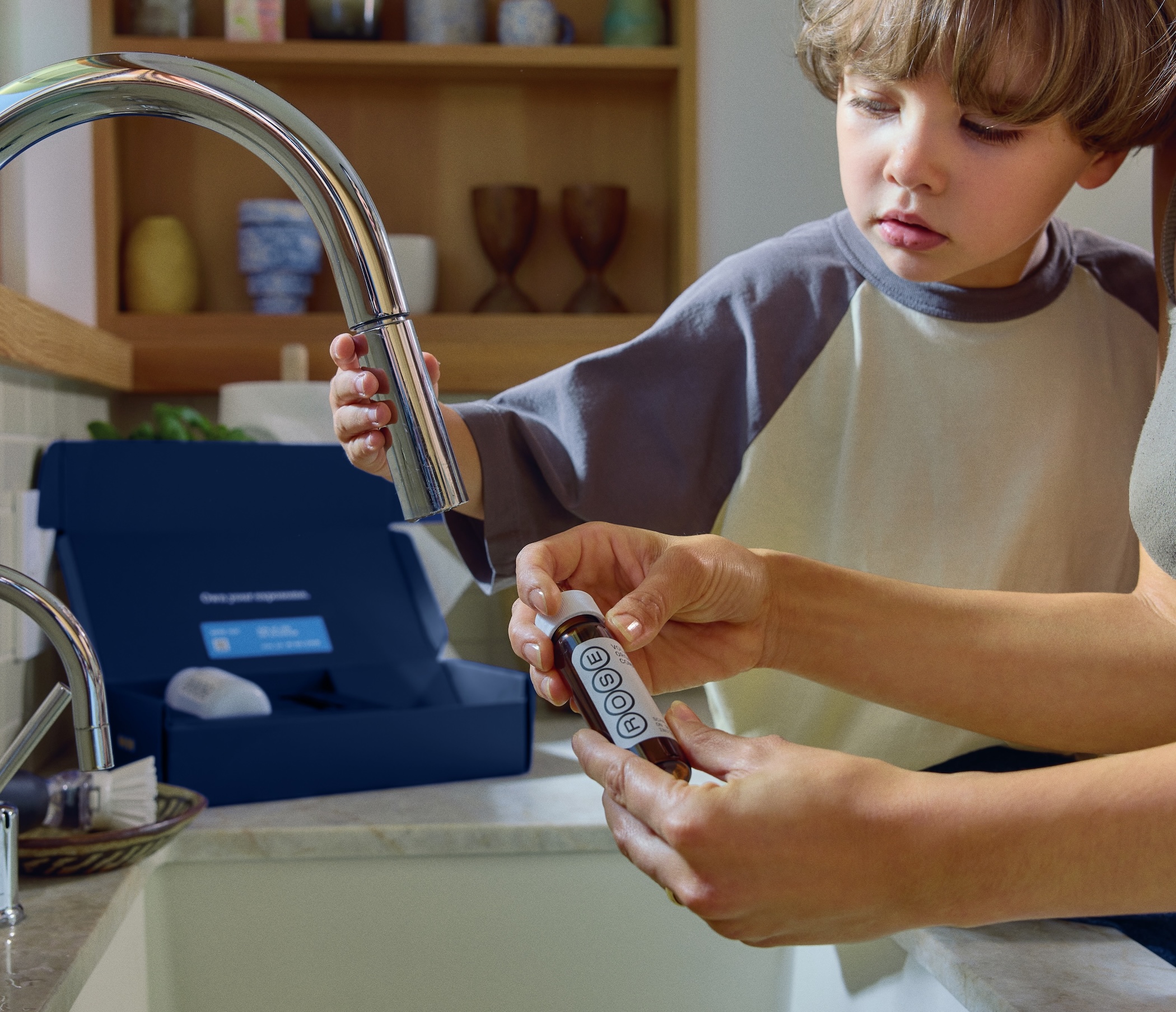
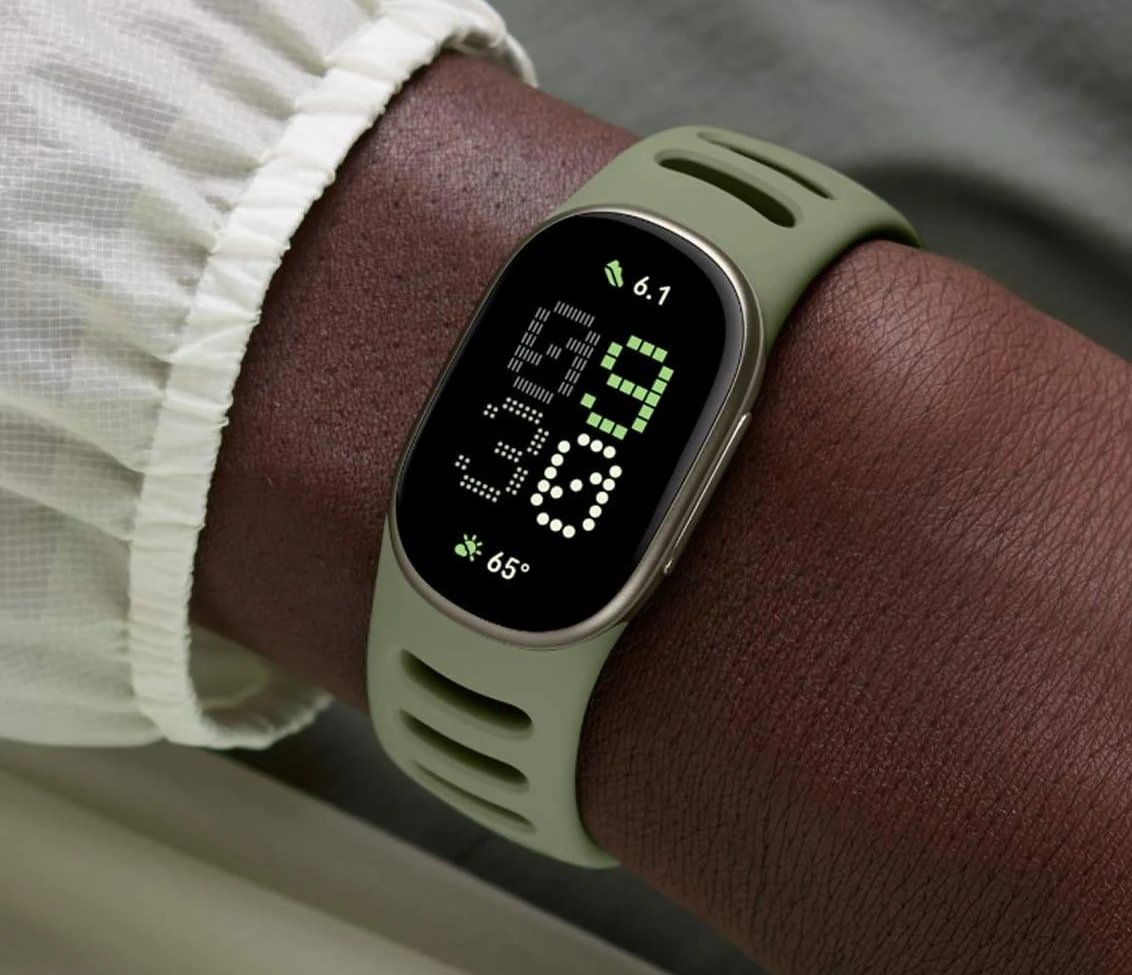
Step counts and generic sleep scores no longer feel like enough. As at‑home testing normalizes, the line between clinical data and daily life keeps blurring. People are gaining visibility into things like microplastics exposure, cortisol patterns, and gut markers, making it easier to catch subtle changes early rather than waiting for a full‑blown problem.
6. Recovery reshapes workouts
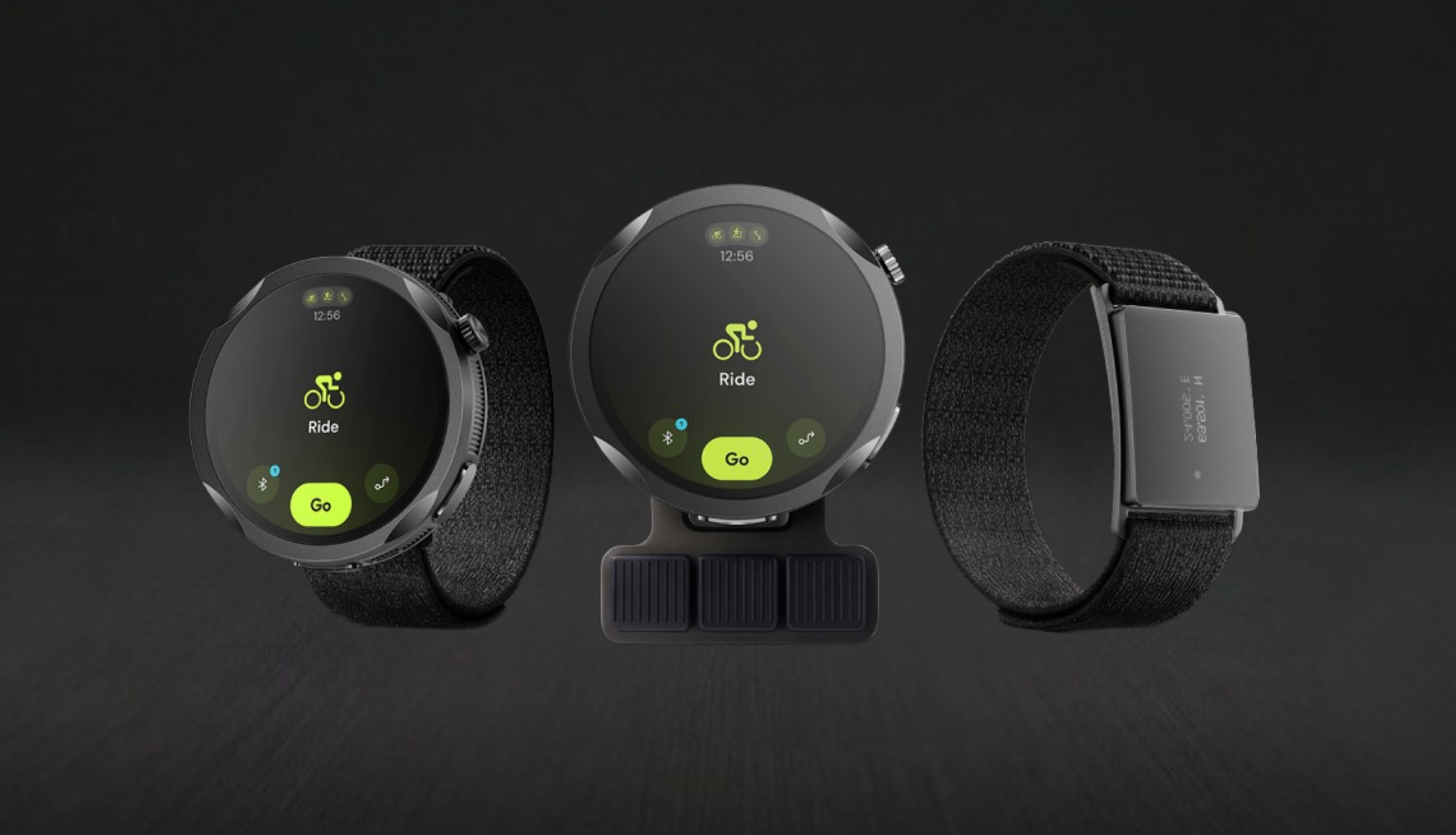
The “no pain, no gain” era is fading. Recovery is being built into training instead of treated as an afterthought. While tools like cold plunges and infrared saunas are more common, the bigger shift is how people define a good session: feeling functional and recovered after a workout is starting to matter more than how wrecked you are walking out of the gym.
7. Women’s health becomes proactive
Expanding beyond fertility, more attention is being paid to perimenopause, metabolic health, cognitive changes, and muscle preservation across life stages. With that, the focus is shifting from reacting to symptoms to supporting the body earlier and more holistically. In 2026, we expect more and better tools to match how women actually live.