Subscribe

 Published on Oct 28, 2025 by Joana Ariza
 Historically, the medical standard for menopause has been passive. The symptoms—hot flashes, brain fog, and sleep disruption—are widely recognized, but accessible clinical treatments are not. That is starting to change.
Health tech is finally designing for midlife, moving consumers away from a trial-and-error approach and toward direct access to care.
Companies are entering menopause care with different approaches: some are making specialist care and prescriptions easier to access, while others are creating tracking tools to help people understand what’s happening in their bodies.
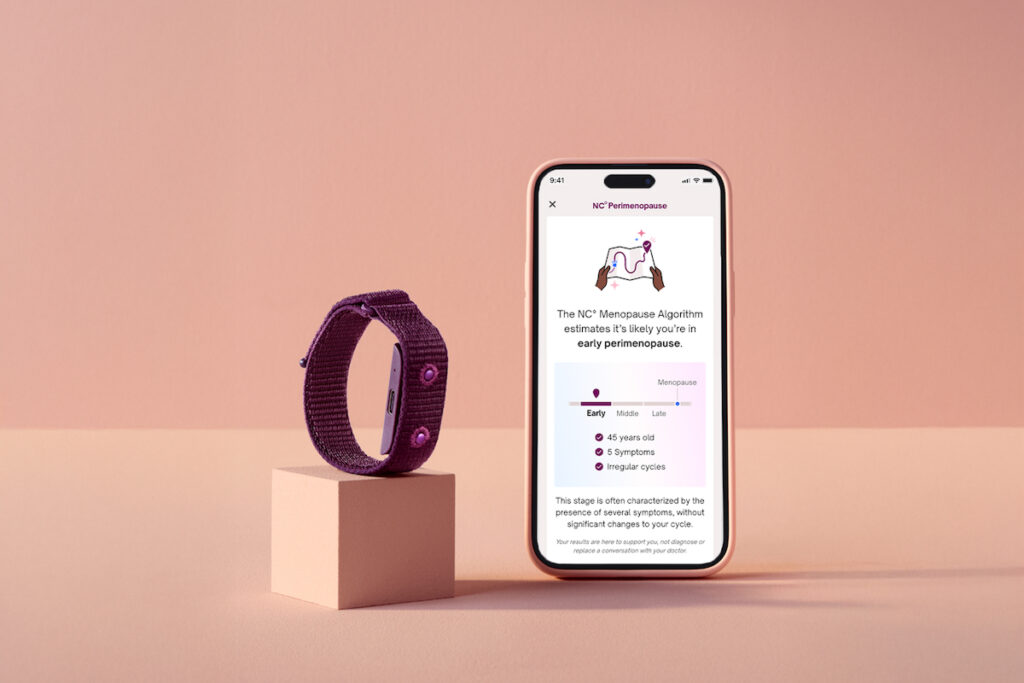
Across all of these approaches, the theme is the same: reducing friction. Women are gaining better access to hormone therapy, lab work, and symptom tracking through platforms built around convenience and clarity.
Perimenopause can span months or even years, and most women enter the shift without clear guidance. Because traditional care often misses the full scope, symptoms are treated as separate issues rather than as a single major shift. But the market is finally showing up. Menopause is being recognized as a life stage that requires real solutions, and the next step for these brands is not gaining attention, but proving they can stick around and become the new standard of care.