Subscribe

 Published on Jan 8, 2026 by Ash Read
 For many people, AI tools are already the first stop for health questions. To put that into context, OpenAI data shows more than 230 million people ask health and wellness questions on ChatGPT every week.
Now the company is leaning into that reality with ChatGPT Health, a dedicated space inside ChatGPT designed specifically for health conversations. The new experience connects medical records, wellness apps, and wearable devices — now all in one place.
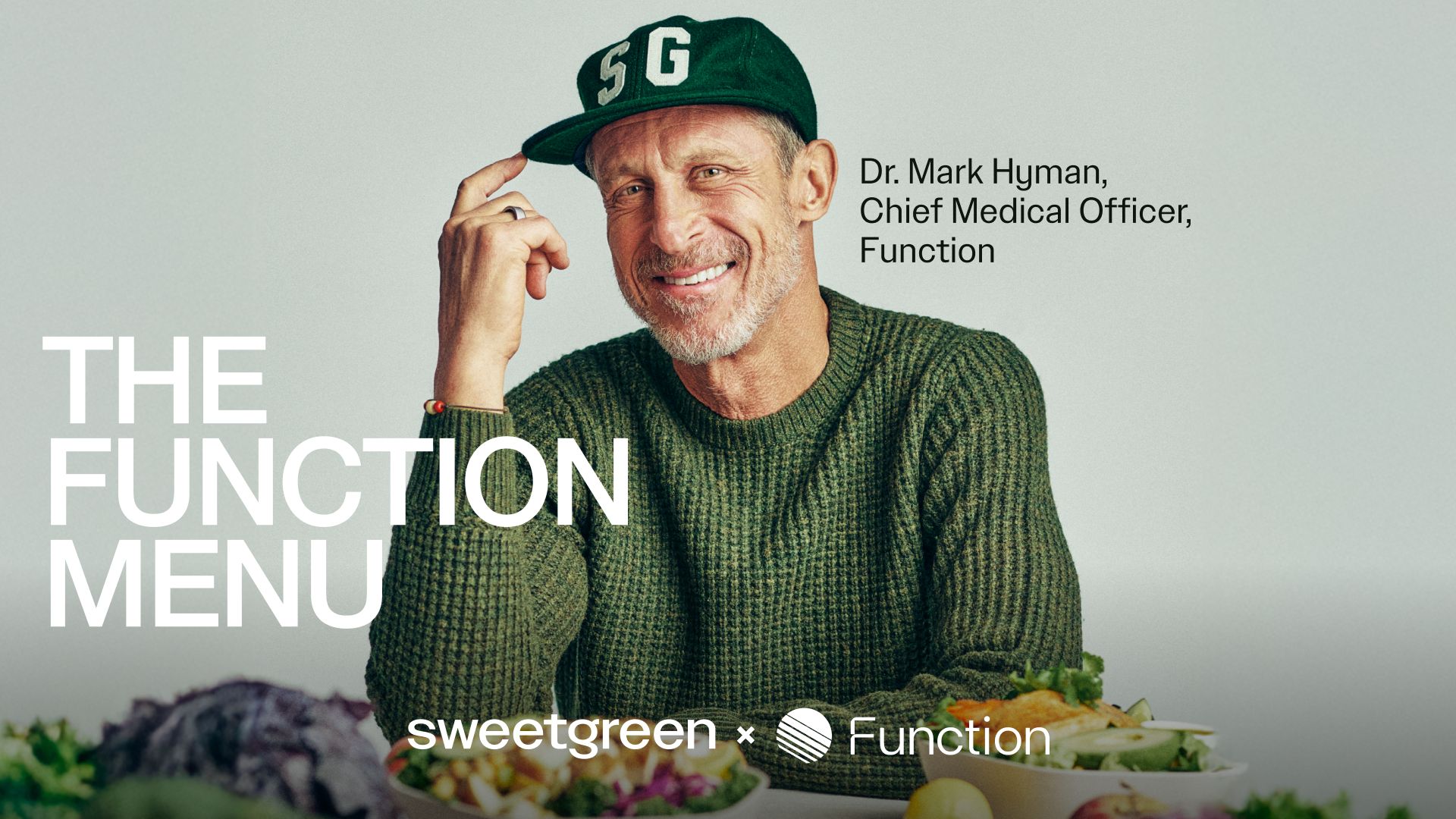
ChatGPT Health pulls information from electronic health records via b.well, along with data from Apple Health, MyFitnessPal, Function, and other wellness platforms. Once connected, users can ask ChatGPT to explain recent lab results in plain language, surface patterns across wearable and lifestyle data, or help prepare questions ahead of a doctor’s appointment.
To shape how these conversations work, OpenAI collaborated with more than 260 physicians across 60 countries. Those clinicians reviewed feedback from over 600,000 model outputs, helping define when the system should encourage urgent care, how to communicate clearly without oversimplifying, and where firm boundaries should exist.
ChatGPT Health does not diagnose conditions or recommend treatments. Its role is interpretive and logistical: helping people understand existing health information, organize questions, and navigate care more confidently alongside real clinicians.
Health conversations live in their own space within ChatGPT, which means your medical information stays isolated from regular ChatGPT chats, with separate memories and additional encryption layers. Health data won’t flow into your other conversations, and OpenAI won’t use these chats to train future models. You also control which apps connect and can disconnect them instantly.
ChatGPT Health is rolling out gradually to users on Free, Go, Plus, and Pro plans, with availability currently excluding the European Economic Area, Switzerland, and the UK. Medical record integration and some app connections are limited to the U.S. for now. The feature is available on web and iOS, with Apple Health integration requiring the iOS app.
Access opens via a waitlist on OpenAI’s website as the rollout expands.