 Subscribe

If you were in NYC this weekend (and even if you weren’t), you knew what was happening. Just over 59,000 people showed up before sunrise for the TCS New York City Marathon.
But surrounding the race was an entire ecosystem of pop-ups, matching crew kits, and branded experiences that revealed something significant: movement has become a primary way people build community and express identity.
Nearly every major athletic brand descended on New York last week, and the activations they built were less about selling gear and more about creating spaces for community.
New Balance’s 10-year New York Road Runners renewal is a long-term bet on movement culture. This weekend, the brand activated across five retail locations and Mile 24 cheer zones, offering singlet customization and recovery stations.
“These activations are designed to unite the community, celebrate the journey, and create unforgettable race-day memories,” says Tom Carleo, VP of running at New Balance.
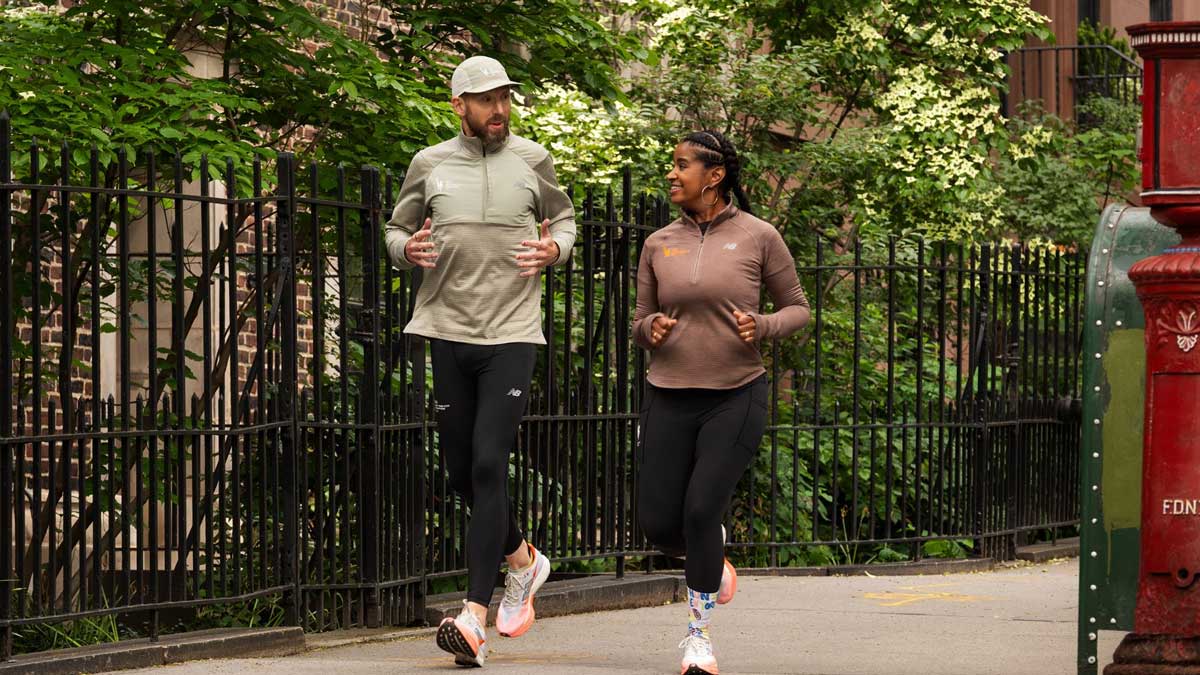
New Balance signed a 10-year deal with New York Road Runners.
How people engage with running 26.2 miles has expanded beyond the finish line. Running has become both athletic pursuit and social practice — a way to train hard, build community, and show up for the people who matter.




 Published on Nov 3, 2025 by