Subscribe

 Published on Dec 8, 2025 by Joana Ariza
 If there’s one thing we can all relate to, it’s knowing someone who joined a run club this year. Or signed up for group fitness. Or bought a fitness tracker and hasn’t stopped talking about it.
According to Strava’s 2025 Year in Sport report, that’s not a coincidence.
The platform analyzed billions of activities and found that more than half of Gen Z plans to use Strava more next year, while most expect to use Instagram and TikTok the same amount or less.
Strava now hosts over 1 million clubs, with running clubs growing 3.5x this year and hiking clubs expanding even faster. Club-organized events rose 1.5x, turning online communities into regular in-person gatherings.
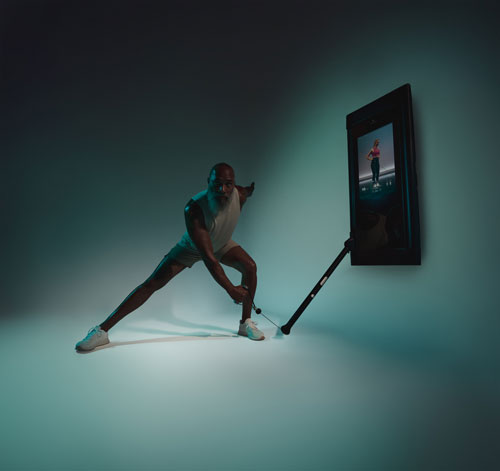
If your calendar has started to fill up with weekend workouts instead of happy hours, you’re not alone. Gen Z uses fitness to meet people at rates 39% higher than Gen X, and they’re 23% more likely to say working out on vacation is non-negotiable. Weight training continues to surge — Gen Z is twice as likely as Gen X to name it their primary sport.
Another telling stat? Walking became the second most-recorded activity on Strava this year, overtaking cycling for the first time. It’s proof that the barrier to entry is dropping — you don’t need a gym membership or gear, just someone to move with.
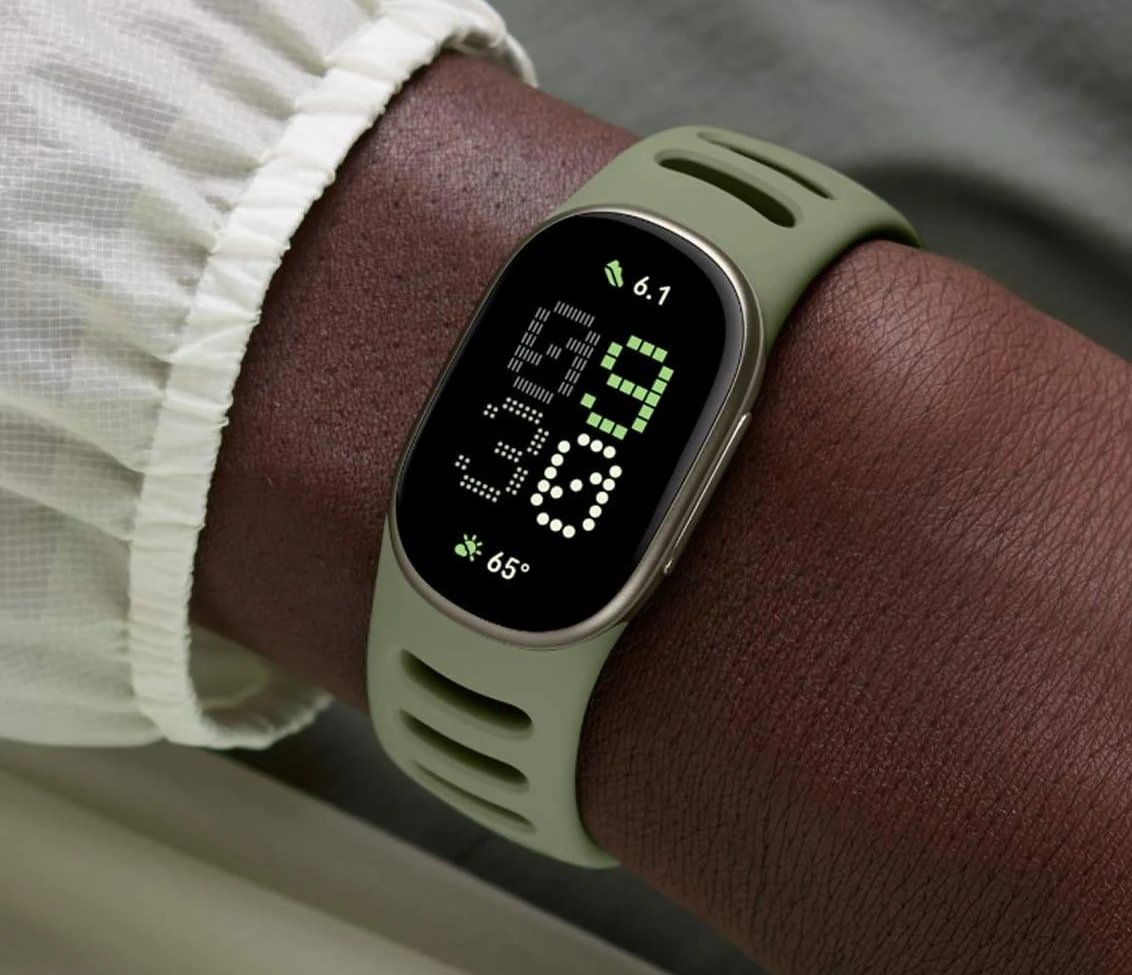
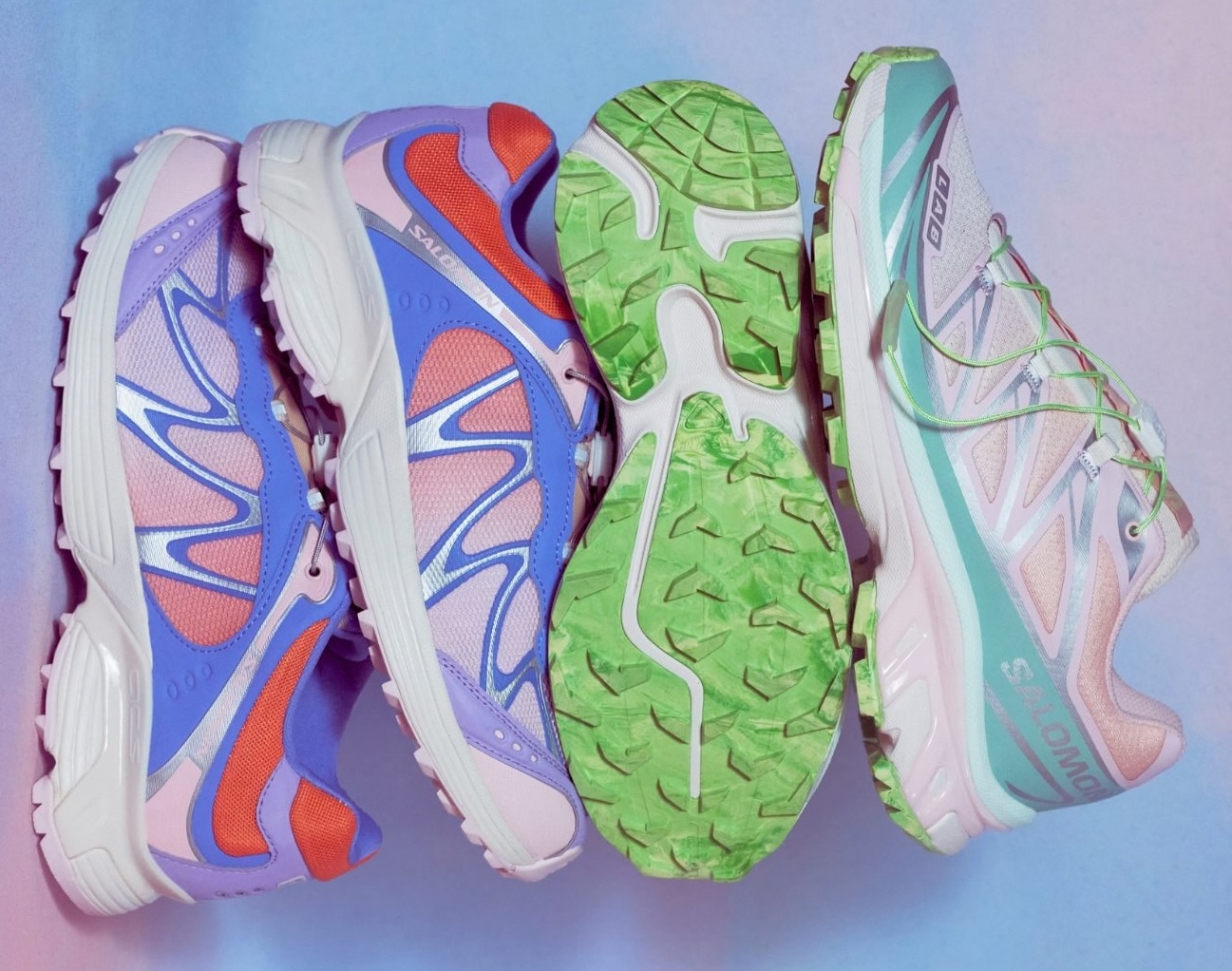
The spending reflects the same pattern. Despite 65% of Gen Z reporting direct impacts from inflation, 30% plan to increase fitness spending in 2026. Wearables are the top investment — Gen Z buys tracking devices at rates 63% higher than Gen X. And when asked about spending priorities, 64% said they’d rather buy gear than pay for a date.
This generation is putting money behind activities that require them to show up, not just scroll. Fitness delivers health and connection at the same time, and the spending reflects that.
Strava’s data captures a generation reorganizing how they socialize and spend. If you’ve been thinking about joining a run club or trying a group class, this is the cultural moment backing you up. Movement is becoming how people connect, and communities keep growing to support it.