Subscribe

 Published on Apr 3, 2026 by Joana Ariza
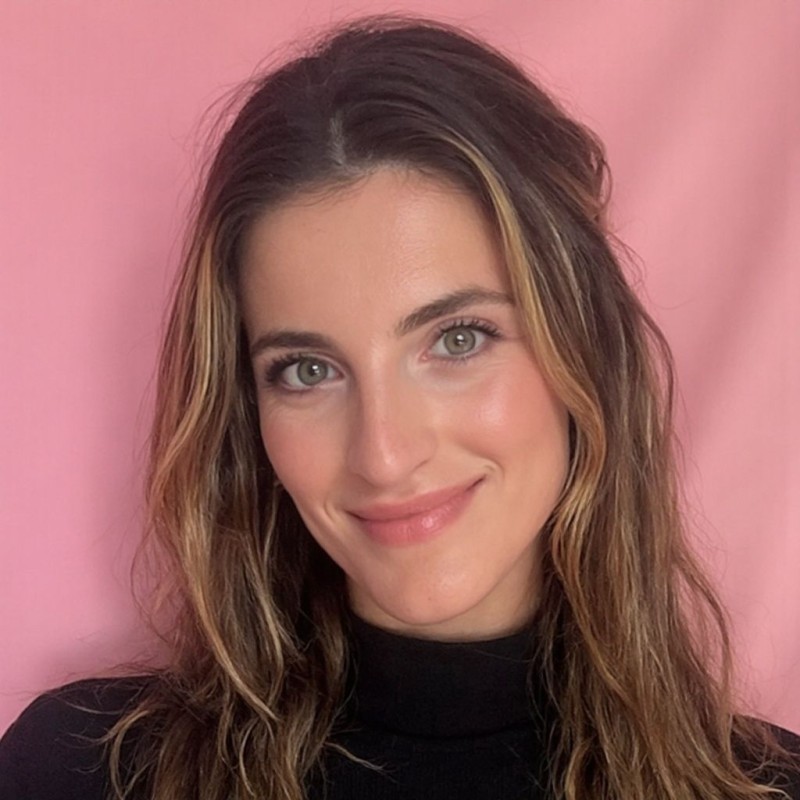
 Thomas Salas is the founder and CEO of Faves, an athlete marketing platform connecting over 400 professional athletes with brands and fans through verified product recommendations. Built by former athletes and industry veterans, Faves was designed to close the gap between what athletes are paid to promote and what they actually use.
In this Q&A, Salas breaks down how he sees elite athletes make health and performance decisions, why current wellness trends usually originate in sport, and what that signals about where the industry is heading.
You’ve had a front-row seat to how 400+ professional athletes make decisions about their health and performance. What’s the biggest shift you’ve noticed in how athletes think about wellness versus even a few years ago?
TS: Athletes are approaching health much more holistically now. There’s more focus on longevity, mental health, and data-driven insights. Athletes like Michael Phelps and Simone Biles have normalized conversations around mental performance, which wasn’t really happening a few years ago. On the physical side, easier access to biomarker testing, wearables, and recovery technology is giving athletes a much richer picture of what’s actually going on in their bodies. Better products are making a real difference too, from performance footwear to supplementation.
Recovery has become a core pillar of mainstream wellness. What are you seeing in how professional athletes approach recovery versus how it’s marketed to everyday people?
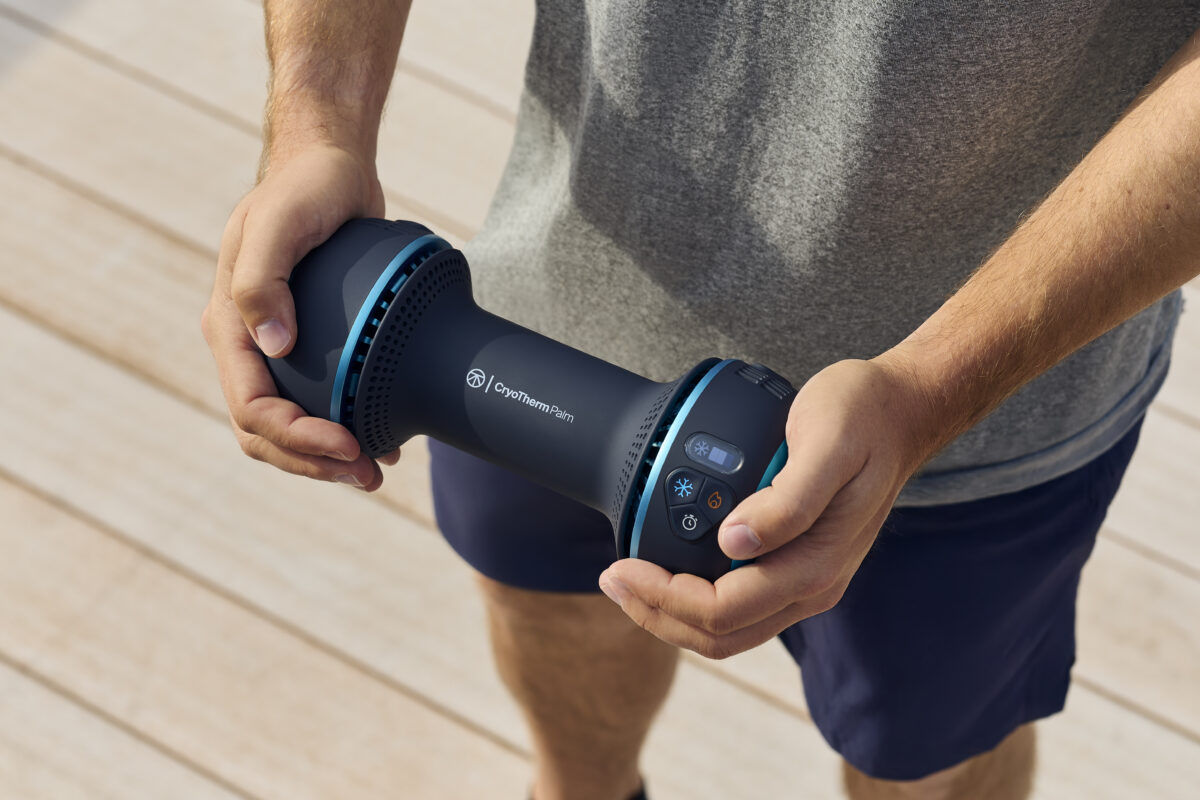
TS: A lot of what consumers are adopting now, athletes have been doing for years. Red light therapy was widely used for recovery long before it became a consumer trend. Athletes are early adopters because they’re constantly chasing that extra edge — the extra .1%. Smart sleep products, PEMF devices, and targeted vitamins are now reaching everyday consumers, and athletes have consistently validated them first.
How have you seen professional athletes making decisions about what products or tools to use? Is it more systematic than we’d think, or more intuition-based?
TS: It’s very peer-driven. Athletes talk to each other, and we’ve seen one influential athlete adopt a product and their entire cohort follow. But it’s also methodical — they experiment quietly over time and won’t trust something new on competition day. They also lean on their teams: coaches, dietitians, strength staff, and wellness professionals. It’s a layered process of trusted recommendations and battle-testing.
You’re a former collegiate athlete yourself, and you’ve said Faves was built to show what athletes actually use, not just what they’re paid to promote. When you compare sponsored content to verified use, what surprises you most?
TS: Before Faves, fans only ever got to hear about heavily promoted products. Authenticity took a hit because of that. What we’ve built puts the power in the athlete’s hands — they’re sharing what they genuinely love and use, not what they’re contracted to post. That creates stronger connections with fans and honestly delivers more value to brands too. And it goes beyond performance. People are just as curious about how athletes live, what they eat, what they wear off the field. That access is something fans really respond to.
What’s one thing about how athletes approach wellness that you think more people should adopt? And one thing that’s completely unrealistic for general wellness seekers?
TS: The most transferable thing is having a clear, specific benchmark for success. Athletes define what performance looks like for them, and that target guides every wellness decision. That framework is incredibly motivating and helps people make smarter, more consistent choices.
What’s unrealistic is the extremity. Athletes push their bodies to limits that aren’t healthy for the average person. The methods are directionally smart, but they’re calibrated for someone trying to be the best in the world. For most people, the answer is to apply athletic practices in moderation — athletes are great trendsetters, but their protocols need to be scaled back to make sense outside elite performance.
Based on what you’re seeing with athlete behavior now, where do you think performance wellness is heading for the rest of us?
TS: Peptides are the big one. Athletes have been using them for performance and maintenance, and broader consumer adoption is already underway. We’re seeing NBA players using them in the off-season to maintain weight and recover from injuries faster. Beyond that, precision health technology is transformative. Blood testing and longevity diagnostics are helping athletes extend their careers beyond what was previously possible. That same infrastructure will become increasingly accessible to everyday people.
Salas’s perspective points to a wider shift: the line between elite performance and everyday wellness is blurring, and it’s only going to keep moving. Tools that once required a professional team and a training facility are becoming everyday consumer products, and training methods that used to live exclusively in elite circles, like biomarker tracking and targeted recovery, are now standard parts of how people think about their health.