Subscribe

 Published on Jan 13, 2026 by Ash Read
 NIMA Partners just launched a portable gluten sensor that can detect wheat, barley, and rye down to 10 parts per million with 99% accuracy. The pocket-sized device is designed for the 3 million Americans with celiac disease who often can’t trust “gluten-free” labels or restaurant assurances alone.
The system combines a reengineered sensor with single-use test capsules. Users place a pea-sized food sample into a capsule, insert it into the device, and receive results in about three minutes. A smiley face on the digital display signals the food is safe; a wheat symbol means gluten was detected.
The capsule functions like a miniaturized lab, grinding and mixing the sample while running the test using NIMA’s proprietary antibodies. Enhanced camera and illumination technology inside the sensor reads even faint test strip lines and translates them into easy-to-interpret results.
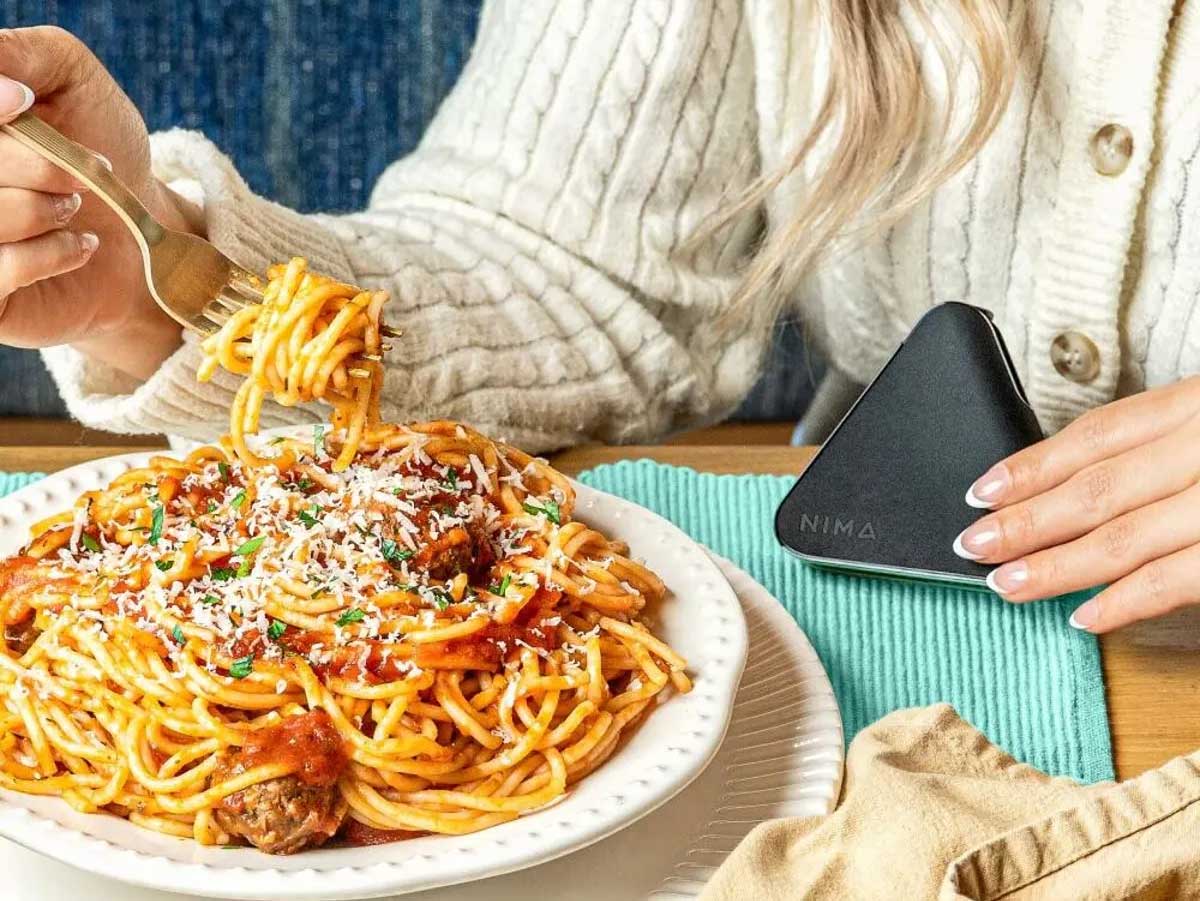
NIMA can detect wheat, barley, and rye down to 10 parts per million with 99% accuracy.
The device connects to the NIMA Now mobile app, which automatically saves and syncs test results to the cloud. Users can track which restaurants and foods tested safe, building a personal database of trusted options over time.
For people with celiac disease, eating out has always involved risk. “Gluten-free” products can legally contain up to 20 ppm of gluten under FDA guidelines — enough to trigger symptoms for many people. Cross-contamination in kitchens adds another layer of uncertainty. The result: social eating becomes stressful, isolating, and often avoided entirely.
NIMA shifts that dynamic. Independent testing by BIA Diagnostics — the lab that verifies gluten-free foods — confirmed the device’s 99% accuracy across multiple food types. Both the sensor and capsules are manufactured in ISO 13485-certified facilities, meeting medical-grade quality standards.
One limitation: NIMA tests a sample, not an entire meal, so cross-contamination in other parts of a dish could still be an issue.
The NIMA Gluten Sensor and capsules are available now at NIMAnow.com.