Subscribe

A decade ago, the story was that Americans consumed 2,400 calories during Super Bowl parties. It was treated as a fun fact about the second-biggest eating day after Thanksgiving.
This year, you’ll see ads for GLP-1 medications, fiber to optimize digestion, and protein to maximize performance.
No longer limited to clinics, healthcare is now happening during commercial breaks, available through apps, and purchased with credit cards. The biggest stage in sports just made it official: prescription drugs in prime time.
Here’s what’s actually airing.
This Sunday’s broadcast will feature more than one GLP-1-related ad.
Ro is debuting its first-ever Super Bowl spot starring Serena Williams, who shares that she’s lost 34 pounds, lowered her cholesterol by 30%, and reduced her lifetime risk of heart disease by 70% since starting GLP-1s through the telehealth platform.
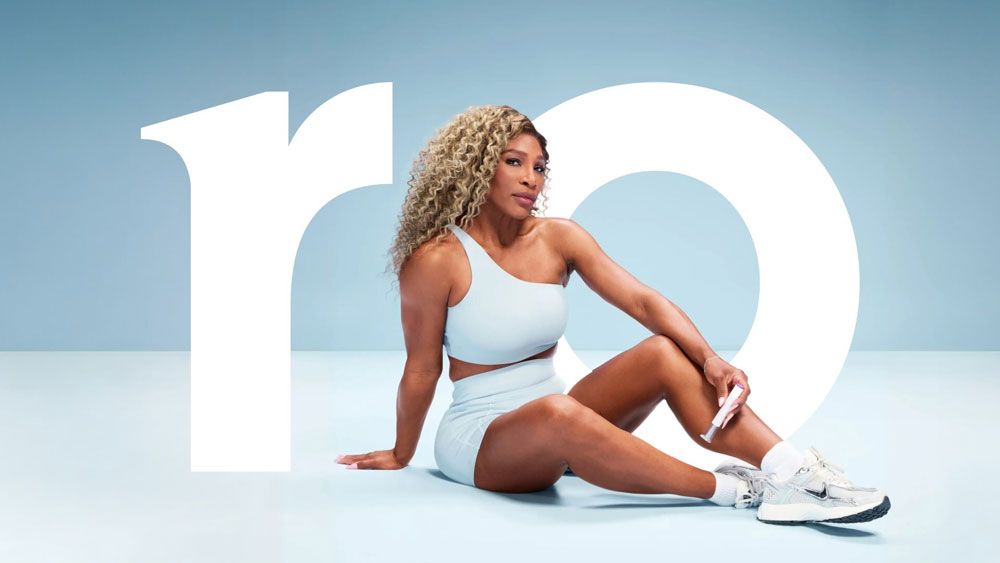
Ro x Serena Williams.
Hims & Hers is back with a minute-long ad titled “Rich People Live Longer,” arguing that the wealth gap is a health gap. The pitch: making premium care—from compounded GLP-1s to at-home cancer screenings—accessible to everyone.
Novo Nordisk, the maker of Wegovy, will also be advertising around the game, weeks after launching the first-ever GLP-1 pill, a daily oral medication starting at $149/month for the lowest dose.
The wellness messaging extends beyond weight loss drugs. Protein, fiber, gut bacteria, and hydration all get airtime—from Oikos’ eighth year of protein evangelism to Kellogg’s fiber debut with Raisin Bran to PepsiCo promoting newly acquired prebiotic soda Poppi.
When millions of Americans start eating less, restaurants notice. One in eight Americans is taking a GLP-1 medication, and most report they can only finish a third of their usual portions.
Food chains responded fast. Chipotle rolled out a high-protein menu earlier this year, citing GLP-1 dietary changes as a primary driver. Shake Shack added Ozempic-friendly options. Smoothie King launched a dedicated GLP-1 menu back in October 2024.
On grocery shelves, Conagra added “On Track” badges to 26 Healthy Choice frozen meals, signaling they’re high-protein, low-calorie, and fiber-rich. Nestlé also launched Vital Pursuit, a line of portion-controlled frozen meals targeting GLP-1 users.
What it means. The barrier to entry isn’t a doctor’s referral anymore—it’s a credit card and a questionnaire. Super Bowl ads normalize GLP-1s while states like California and Pennsylvania cut Medicaid coverage. Cultural acceptance is moving faster than actual access
The question isn’t whether healthcare should be more accessible. It’s whether accessible means better, or just more expensive, more commercialized, and more advertised.
Note: If you’re considering a GLP-1, talk to your doctor about whether you’re a candidate based on your specific health profile.




 Published on Feb 5, 2026 by