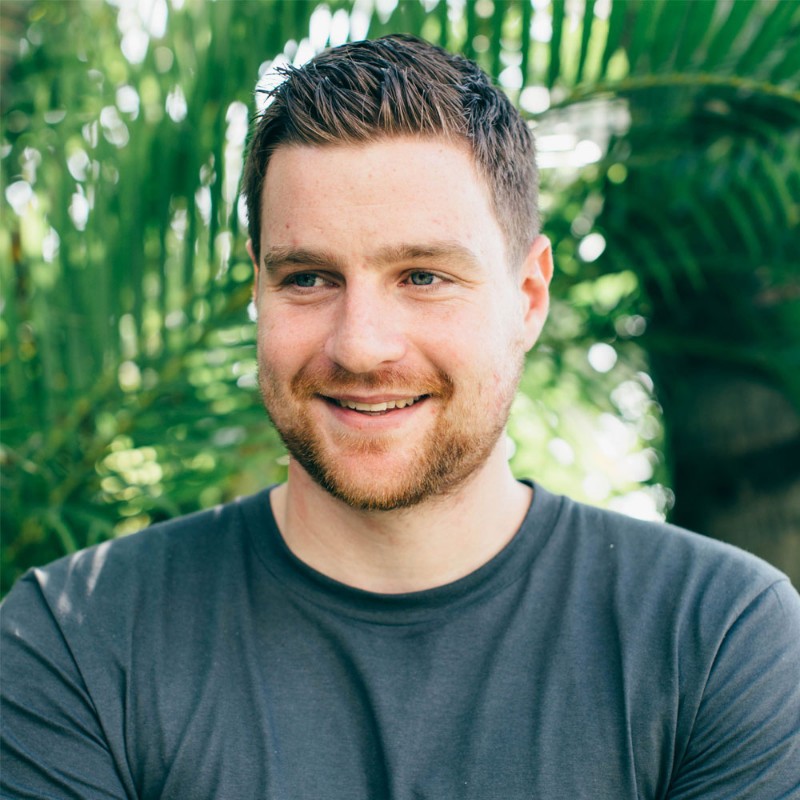
As a registered dietitian, Hannah Anderson hears the same question all the time: What should I eat?
But after years of translating complex nutrition research and working with autoimmune clients at WellTheory, she understands that the answer is not quite so simple. Instead, she’s learned the most effective approach is understanding how your body responds to food and why that response changes over time.
Here’s what Anderson has learned about nutrition for autoimmune conditions, why individual responses to food vary so much, and the one foundational change that makes everything else easier.
What’s the biggest misconception people have about food and autoimmune disease?
“One of the most limiting assumptions is that there is a single autoimmune diet,” says Anderson. “In reality, autoimmune conditions are highly individual, and what helps one person may trigger symptoms in another… personalization is key.”
Just as problematic is the assumption that meaningful change requires extreme restriction. “Some of the most impactful changes are small and sustainable, like supporting digestive function so food is broken down and absorbed more effectively,” she explains. “Improving digestion can reduce inflammation and unwanted symptoms in a very meaningful way, without completely overhauling someone’s entire diet.”
What’s one nutrition trend marketed to people with autoimmune conditions that is overhyped? And one that’s potentially underrated?
Anderson doesn’t mince words when it comes to extreme elimination diets that cut out entire food groups indefinitely without medical necessity. “This can lead to nutritional deficiencies and unhealthy relationships with food,” she says.
What gets overlooked, in her experience, are the fundamentals. “One underrated nutrition trend is the importance of adequate protein and anti-inflammatory fats for tissue repair and immune regulation,” Anderson notes. “These basics often get overlooked in favor of trendy supplements or dietary protocols.”
How do you translate complex autoimmune nutrition research into advice people can actually follow in their daily lives?
Anderson’s approach centers on observation over rigid adherence to protocols. She focuses on “identifying practical patterns rather than perfect protocols,” helping clients notice how their energy or digestion fluctuates throughout the day or in response to specific scenarios.
From there, she validates those observations with clinical context and education. “The goal is to create sustainable habits that fit into real life, not to follow rigid rules that require constant willpower,” she says.
What do you wish more people understood about how individual responses to food can vary, especially with autoimmune conditions?
“Individual responses to food are dynamic, not fixed or static—especially with autoimmune conditions,” she explains. “Your body’s response to food can change based on stress levels, sleep quality, disease activity, and even shifts in the gut microbiome.”
A food that triggered symptoms six months ago might be well tolerated now, and vice versa. “It’s often not the food itself that’s the problem, but how well someone is digesting and absorbing it. When digestive function is compromised, even generally ‘healthy’ foods can contribute to inflammation or symptoms,” she explains.
That’s why she prioritizes supporting digestive health alongside tracking symptoms and working with clients to identify personal patterns.
If someone with an autoimmune condition only had bandwidth to focus on one aspect of their nutrition, what would you prioritize?
Anderson doesn’t hesitate: blood sugar balance through eating regular, balanced meals with protein, healthy fats, and fiber.
“This single change helps reduce inflammation, stabilize energy, support sleep, and make everything else feel more manageable,” she explains. “It’s the foundation that makes other interventions more effective.”
And if there’s room for one more thing? “Adequate hydration,” Anderson adds. Sometimes, going back to the basics is what matters most.
Anderson adds that successful clients are willing to learn and adjust their strategies during flares without abandoning their overall plan—a skill she sees as essential for long-term success.

 Published on Jan 26, 2026 by
  Subscribe