Subscribe

 Published on Feb 4, 2026 by Joana Ariza
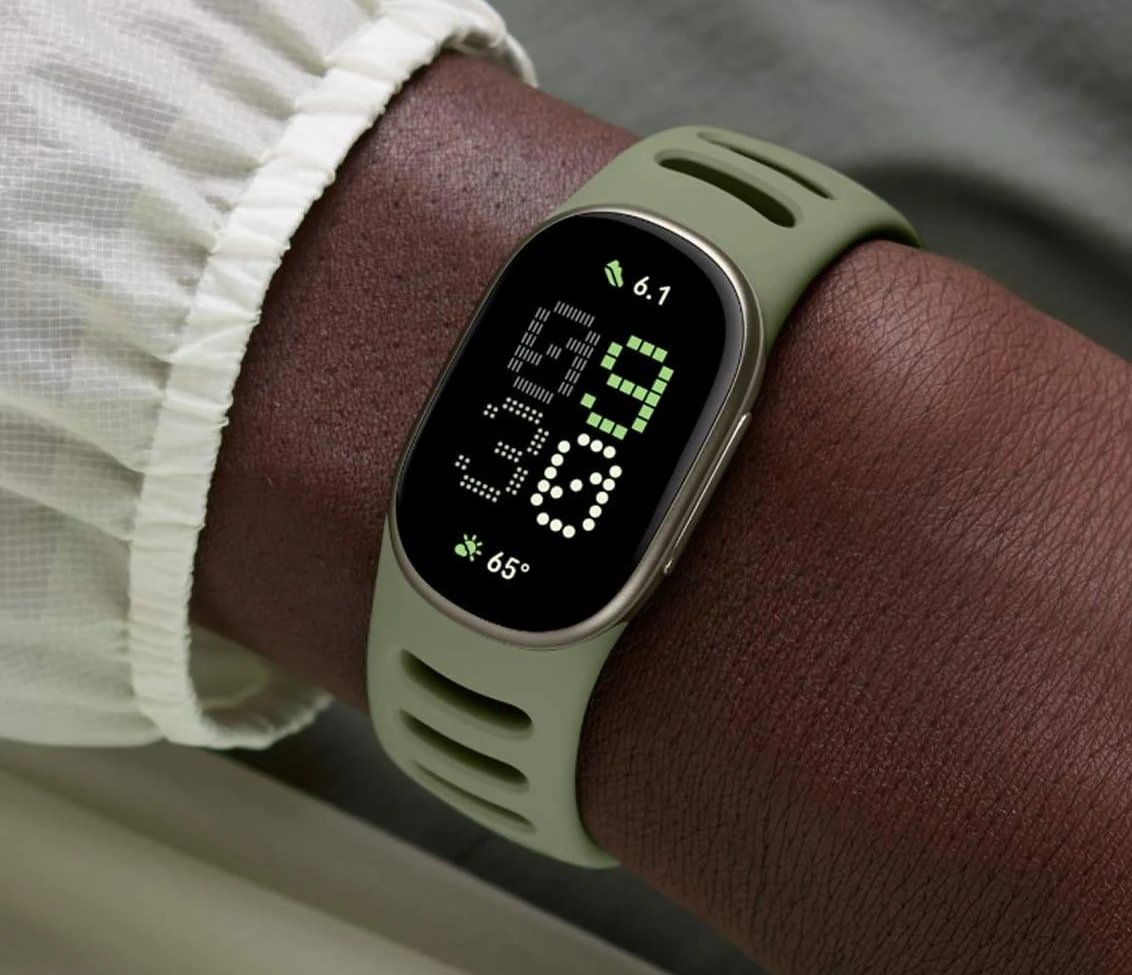
 Clair, a hormone-tracking wearable, brings continuous hormone monitoring that doesn’t require pricking your finger or scheduling a blood draw. The device tracks estrogen and progesterone patterns through biosensors on your wrist, passively and in real-time.
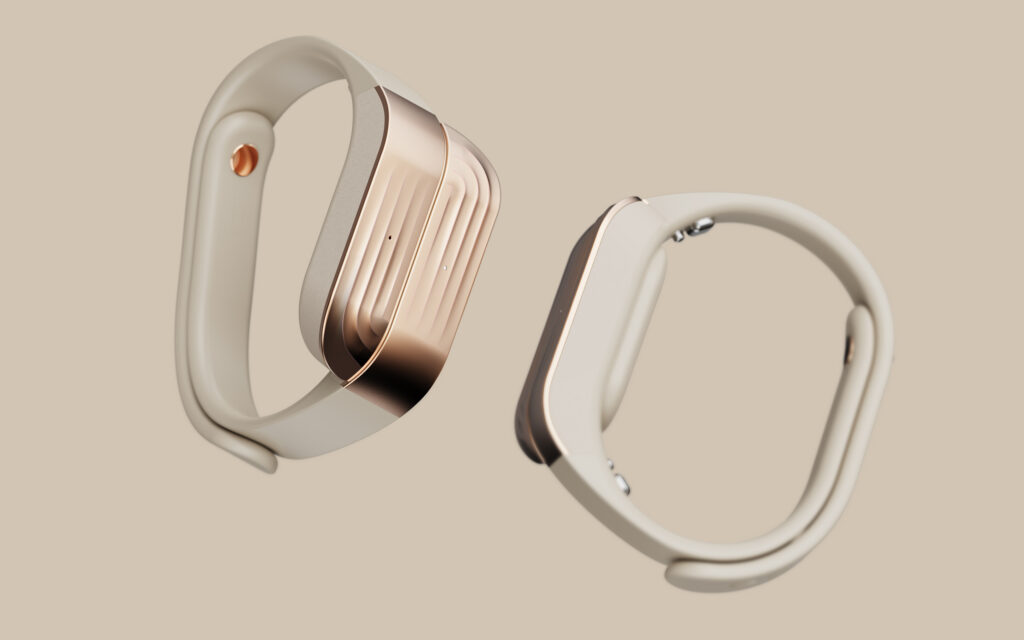
The first wearable hormone tracker designed for women.
Clair targets four main uses:
Clair uses 10 biosensors to track hormonal shifts: skin temperature, resting heart rate, heart rate variability, sleep architecture, breathing rate, electrodermal activity, and motion tracking. These signals correlate with estrogen and progesterone fluctuations throughout your cycle.
Hormone tracking has been stuck between two options: invasive and expensive (blood draws at the doctor), or manual and annoying (pricking fingers at home, remembering to mail in results). Clair makes it continuous and passive—wear it and get data without putting in too much effort.
Hormones affect mood, energy, sleep, and fertility daily, yet tracking them has been inconvenient enough that most women skip it entirely. For women trying to conceive, managing PCOS, training for performance, or navigating perimenopause, Clair may remove the barrier. It’s a significant step forward for women’s health tech, bringing hormone monitoring into the massive wearable market.
Clair’s waitlist is now open at wearclair.com.