
Sponsored
Male fertility is collapsing. These daily habits are why
The most comprehensive supplement designed for male fertility.
 Published on Oct 28, 2025 by Joana Ariza
In partnership with SwimClub
Here’s a number worth paying attention to: global sperm counts have declined by more than half since 1980.
While you’ve been optimizing your macros and tracking your sleep, your sperm quality may have been declining. And unlike your deadlift, you can’t feel it happening.
Women grow up aware of their biological clocks. Men assume fertility is a given. It’s not. “Sperm quality is declining at a rate we can’t ignore,” says Dr. Michael Eisenberg, Stanford’s Director of Male Reproductive Medicine.
But the damage is reversible. Men produce new sperm roughly every 90 days, which is why Dr. Eisenberg partnered with SwimClub to develop a sperm performance protocol based on decades of clinical research.

SwimClub
Male Fertility Supplement
The only clinically formulated male fertility supplement that uses the highest quality ingredients to maximize male fertility.

The exposures damaging sperm every day
The threats to sperm health aren’t abstract or rare. They’re in your kitchen, on your lap, and running through your bloodstream.
Microplastics
Researchers detected microplastic particles in 80% of healthy men tested, and the concentrations correlated with lower sperm motility and quality.
Heat exposure
Even 2–3°C increases from laptops, saunas, or occupational heat exposure like hot tubs and saunas can impair sperm count, motility, and DNA integrity. Occupational heat exposure matters too with chefs, welders, and drivers routinely showing measurably poorer sperm quality than men working in cooler environments.
Chronic stress
Elevated cortisol crashes testosterone and disrupts sperm production. Work strain, financial pressure, and even fertility anxiety itself can form a feedback loop that further suppresses sperm quality.
The supplement gap most men don't know exists

Even if you eat well, you’re likely deficient in the specific nutrients that matter most for sperm health.
CoQ10, L-carnitine, zinc, and selenium are among the few micronutrients shown to improve sperm count and motility. And yet, the problem is dosage: the amounts used in clinical trials are nearly impossible to obtain from food alone.
That’s the space SwimClub was built to fill.
SwimClub’s formulations use clinically studied doses and bioavailable forms of these nutrients, designed to support mitochondrial energy, sperm movement, and testosterone balance.
- CoQ10 supports mitochondrial energy in sperm cells.
- L-carnitine may improve motility.
- Zinc and selenium help counter oxidative stress and support testosterone synthesis.
Unlike generic multivitamins, SwimClub uses highly bioavailable nutrient forms the body can actually absorb. The three-month protocol also aligns with the sperm-production cycle which takes a minimum of 72 days, giving men time to see measurable changes through testing rather than short-term guesswork.
Lifestyle modifications that can move the needle
Supplements like SwimClub work best when you’re also addressing the lifestyle factors that affect sperm health. The timeline is consistent: make changes now, see results in 2–3 months, the same time it takes for new sperm to develop.
Diet helps, but it can’t do it alone
Antioxidant-rich foods protect sperm from oxidative stress. Research links omega-3s, zinc, selenium, and vitamins C and E to better sperm parameters. Processed foods, trans fats, and sugar do the opposite.
But here’s the thing, getting therapeutic doses from food alone is nearly impossible. You’d need pounds of spinach daily to hit the selenium levels that matter. SwimClub is designed to fill that gap with concentrated doses at levels actually shown to work in studies.
Exercise regularly
Moderate activity boosts testosterone and sperm health. The research suggests 3–5 hours of moderate exercise per week hits the sweet spot. Push too hard with extreme endurance training or steroids, and you start suppressing sperm production instead. It’s about balance, not intensity.
Get good quality sleep
Poor sleep tanks testosterone and ramps up oxidative stress. Seven to nine hours consistently shows up as critical for sperm health. Most men prioritize supplements and diet while running on five hours of sleep, but no supplement can undo chronic sleep deprivation.
Why SwimClub is the missing piece
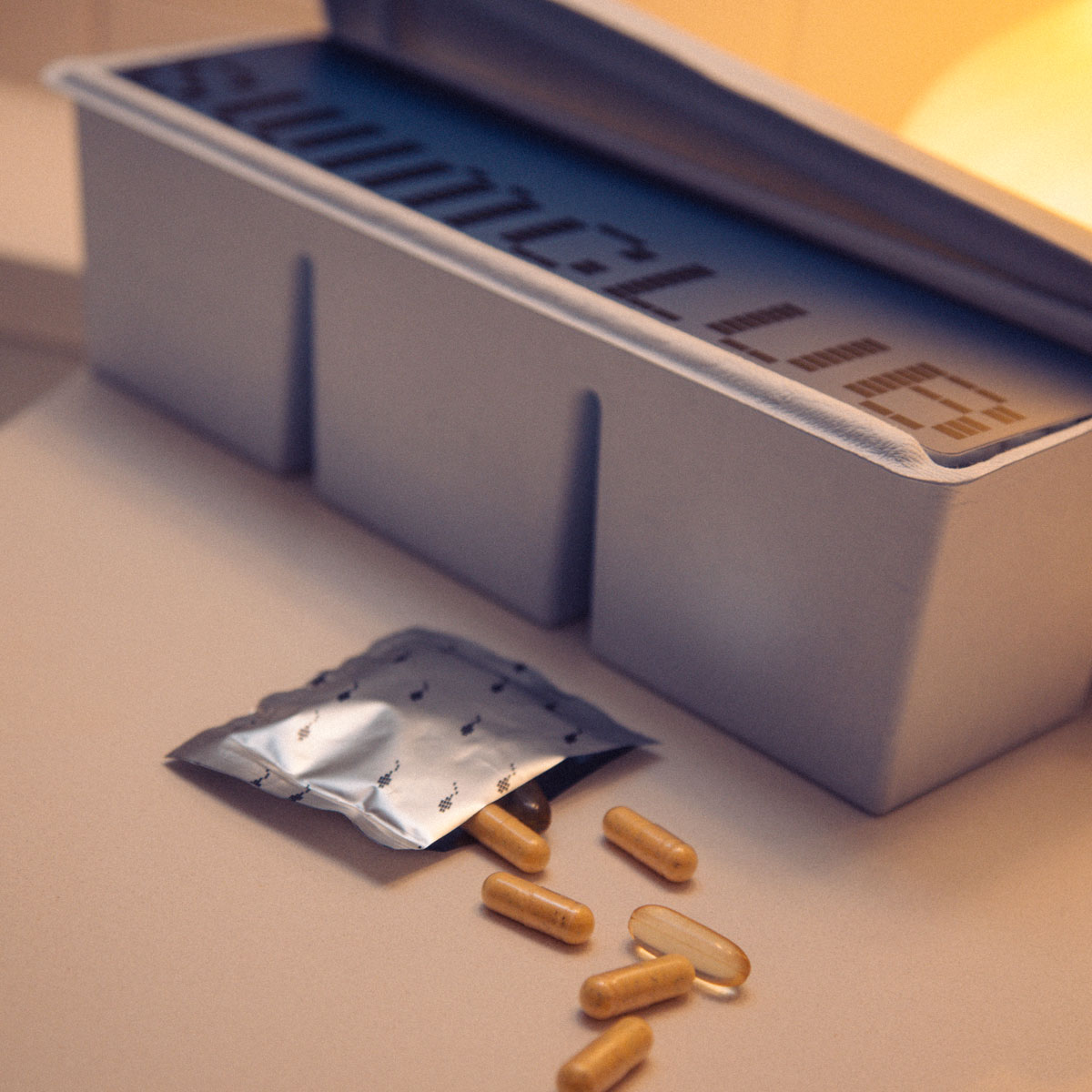
Male fertility optimization isn’t a single fix, it’s a system. One that could require reducing heat exposure, managing stress, cleaning up your diet, avoiding toxins, and testing regularly. And if I’m speaking for most men, many don’t have the bandwidth to track all of this independently.
SwimClub consolidates the essentials: physician-formulated supplements dosed for efficacy and a protocol built around the biology of sperm production. The subscription model keeps men consistent through the full sperm maturation cycle which takes a minimum of 72 days to generate days from start to finish.

SwimClub
Male Fertility Supplement
SwimClub gives you the ultimate male fertility supplement to maximize your chances for a healthy pregnancy.

