Subscribe

The bathroom has always been private territory. Now, wellness companies are positioning it as the home’s most valuable health data source.
Throne and Kohler Health have both introduced toilet-mounted devices that use AI and optical sensors to analyze waste, tracking everything from hydration levels to early signs of digestive disease. The pitch is simple: continuous health monitoring, no sample collection required.
With wearables already tracking sleep, glucose, and heart rhythms, bathroom monitoring marks another step in ambient health tracking — turning passive moments into diagnostic opportunities.
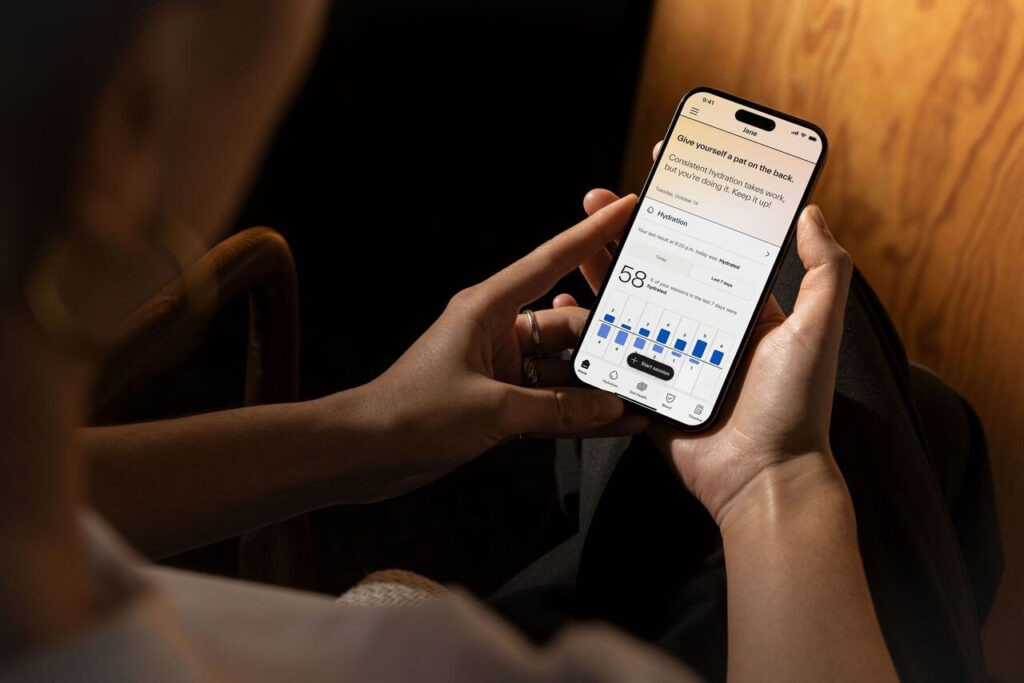
Throne One mounts to the toilet bowl and uses computer vision to monitor each flush, analyzing stool consistency, color, and hydration markers. The system tracks patterns over time, watching for potential signs of IBS, colitis, kidney issues, or dehydration. It pairs with an app that layers in photo-based meal tracking, building a personalized baseline and flagging shifts that might warrant attention. The device costs $399 and ships in January 2026.
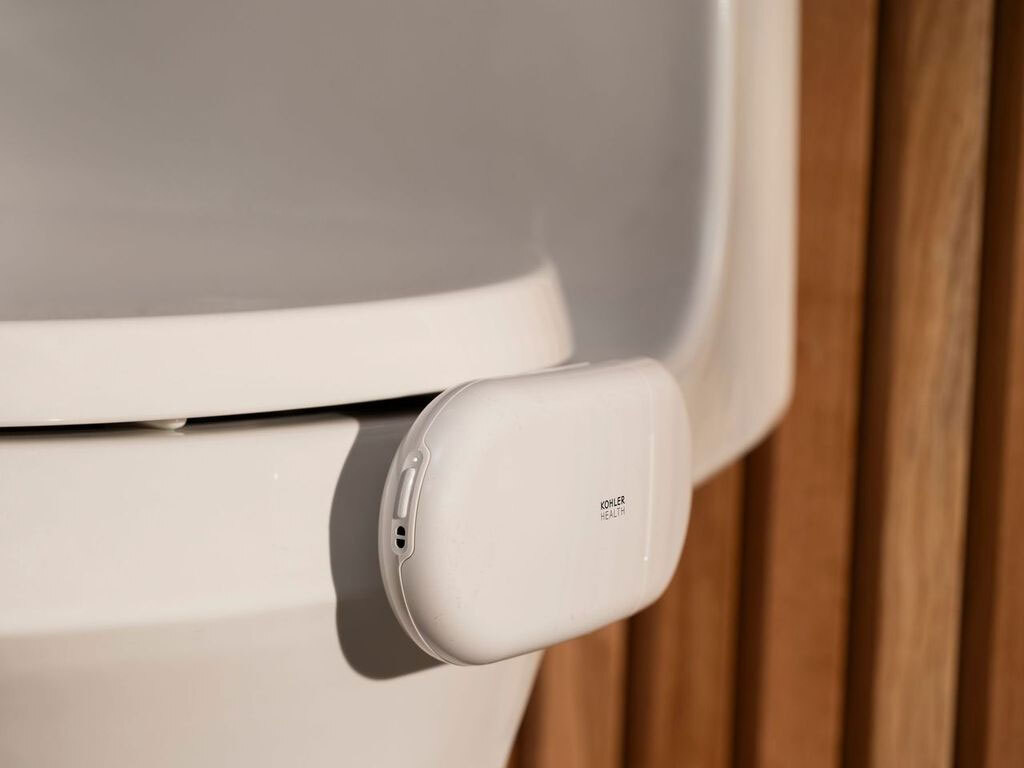
Kohler Health’s Dekoda follows a similar model but leans more clinical. At $599 (shipping October 2025), it uses optical sensors and machine learning to assess hydration status, gut health indicators, and detect the presence of blood. The data syncs to Kohler Health’s app, offering what the company calls “continuous awareness of key health markers.” Translation: your toilet becomes a passive diagnostic tool.
Both systems promise the same core value — health monitoring that happens automatically, no sample collection or lab visit required.
Stool analysis isn’t new, but technology now exists to make it passive, continuous, and consumer-friendly. No more awkward sample kits or waiting for annual physicals to bring up digestive concerns. The monitoring happens in real time, while you’re scrolling your phone or brushing your teeth.
“We built Kohler Health with a clear mission: to make the bathroom the center of health and wellness,” said Kash Kapadia, the company’s CEO. The pitch positions the bathroom — a space where routines already happen — as a natural location for health tracking.
Timing matters, too. The gut health boom has primed consumers to care more about digestive function. Studies linking the microbiome to immune health, mental clarity, and chronic conditions have only accelerated the interest. Continuous toilet monitoring offers visibility into an area that’s historically been difficult to track outside clinical settings.
Bathroom habits remain one of the few health topics people avoid discussing, even with doctors. These devices sidestep the discomfort — technology handles the observation, data gets delivered to your phone.
Whether toilet tech becomes standard may depend less on the science and more on comfort level. Wearables normalized constant biometric tracking. Toilet tech asks for the same permission, just in a more private space.
Kohler Health and Throne are challenging us to re-imagine how we think about the bathroom. If we’re already comfortable with devices tracking sleep, steps, and glucose, analyzing waste might feel like a natural extension.








 Published on Oct 17, 2025 by